Home / Impact & Resources
Our Impact
The measurable difference simulation-based training is making in health facilities across Nepal.
By the Numbers
Impact Since 2019
285+
Health Care Professionals & Clinical Mentors Trained
13
Health Facilities Strengthened with Simulation Labs
9
Districts Reached Across Nepal
30,000+
Mothers & Newborns Reached in Lumbini & Sudurpaschim
50,000+
Patients Reached Through Different Trainings
2019
Established as Nepal’s Only Dedicated Simulation Society
Cumulative figures across SSN’s simulation labs and training programmes in Madhesh, Lumbini, and Sudurpaschim provinces.
Case Stories
Simulation Training, Real-World Outcomes
Two stories from the field that show what confident, well-rehearsed response can mean for a mother and her baby.
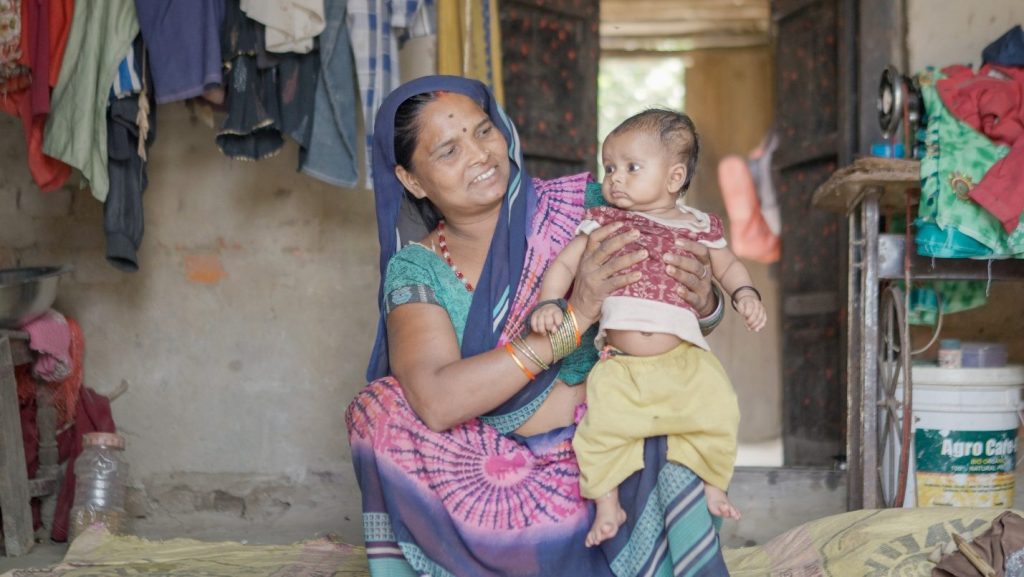
Saving a Bleeding Mother
Rupanti Kori, a 35-year-old woman, was admitted to the labour room with lower abdominal pain and mild leaking per vagina. After proper monitoring and management, she delivered a healthy live baby boy weighing 3 kg, who cried immediately at birth with strong Apgar scores.
Following delivery, she developed heavy bleeding suggestive of postpartum haemorrhage. Her blood pressure dropped and her pulse rose sharply, signs of hypovolemic shock. The trained team immediately began close monitoring, oxygen support, uterine massage, uterotonic agents, fluid resuscitation, and blood transfusion. Her condition gradually improved and the bleeding was controlled.
At discharge, both mother and baby were in good, healthy condition.

Building Confidence Through Simulation-Based Training
At Dodhara Chandani Hospital, nursing staff member Ms. Kamala Mahata shared her experience applying skills gained through Low-Dose High-Frequency (LDHF) training sessions. Conditions like newborn resuscitation, eclampsia, and postpartum haemorrhage are uncommon in daily practice, and challenging to manage with confidence when they do occur.
During an LDHF session facilitated by her mentor, Ms. Laxmi, she practiced newborn resuscitation hands-on through simulation. Only a few days later, Ms. Mahata faced two consecutive cases of birth asphyxia. Unlike in the past, she responded promptly, informing the doctor and initiating newborn resuscitation without delay. Both babies were successfully revived before the doctor arrived.
Ms. Mahata attributes her confidence and competence directly to the practical rehearsal she received through simulation.
Help Us Reach More Mothers, Newborns & Health Workers
Every simulation lab, every mentoring cascade, every trained provider adds up to safer care across Nepal.