Introduction to Simulation-Based Education (SBE)
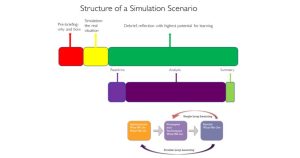
Simulation is a vital part of the learning process that comes after acquiring knowledge, proficiency in skills, and learning decision-making. It is not just a technology, but a technique that promotes experiential and reflective learning.
Simulation-Based Education (SBE) is introduced through a learner-centric model called the Circle of Learning. This model addresses the current gaps in teaching and training methodologies, such as the lack of skills-based training, team training, and training in decision-making and critical thinking.
Evidence suggests that integrating simulation as a teaching and training methodology helps bridge gaps in psychomotor skills, leading to improved competence among healthcare professionals. It also enhances non-technical aspects such as teamwork, effective communication, crisis resource management, and time management, among others. Simulation helps individuals and healthcare teams adhere to protocols and standard operating procedures, benefiting both individuals as well as and multidisciplinary teams in the hospital.